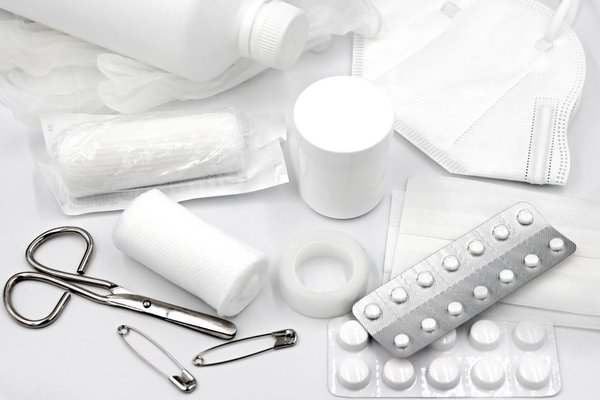
A hiking first aid kit should be small enough to carry every time you leave the trailhead, but useful enough to handle problems that actually happen outdoors: blisters, cuts, scrapes, sprains, insect stings, headaches, stomach trouble, and unexpected delays. The best kit is not the biggest one. It is the one matched to your route, group size, medical needs, weather, and distance from help.
For a short walk, that may mean a compact pouch with wound-care basics and personal medication. For a remote overnight route, your trail first aid kit needs more redundancy and better moisture protection.
Core hiking first aid kit checklist
Wound care and bleeding control
Pack assorted adhesive bandages for small cuts, sterile gauze pads for larger wounds, rolled gauze, medical tape, and a clean absorbent dressing. Add antiseptic wipes or another suitable wound-cleaning product, plus antibiotic ointment if it is appropriate for you. Nonlatex disposable gloves are useful when treating another person, and closure strips can help protect a small, shallow cut after cleaning.
Tweezers can help remove splinters and some surface debris. Compact scissors or trauma shears are useful for cutting tape, gauze, or clothing when you need access to an injury.
Blister supplies
Blisters can turn an easy hike into a painful retreat, so treat hot spots early. Carry blister pads, moleskin, or hydrocolloid dressings, along with tape that adheres well to skin. If you feel rubbing at your heel after the first mile, stop before a blister forms, dry the skin, and protect the spot. That five-minute break can prevent hours of discomfort.
Sprains and soft-tissue injuries
An elastic wrap is one of the most versatile items in a backpacking first aid kit. It can support a mild ankle or wrist injury and help secure dressings. For longer or remote trips, consider a lightweight splint or splinting material and a triangular bandage. These supplies are more useful when you know how to use them, so basic or wilderness first aid training is valuable.
Medications and personal medical needs
Bring enough prescribed medication for the trip, with a sensible reserve for delays. Depending on your needs, you may also carry an over-the-counter pain reliever, antihistamine, anti-diarrheal medication, antacid, or oral rehydration salts. Keep medicines labeled and follow the label or your clinician’s instructions rather than improvising doses.
If you have a prescribed epinephrine auto-injector or another emergency medicine, keep it accessible rather than buried in your pack. Tell hiking partners where it is.
Emergency items that belong with your first aid supplies
A hiking emergency kit extends beyond bandages. Include an emergency blanket, whistle, small first aid reference, hand sanitizer, and a waterproof pouch for medical supplies. A headlamp, navigation tools, extra food, water or water-treatment capability, extra insulation, and emergency shelter are also sensible backcountry essentials.
These items matter because the problem may not be the injury itself. A twisted ankle can become more serious if it leaves you exposed to cold, darkness, or an unplanned night outside.
What to add for day hikes versus backcountry trips
For a day hike
Keep the kit compact, but do not reduce it to a few bandages. A practical day-hike setup should cover minor wound care, blister treatment, an elastic wrap, gloves, tweezers, personal medications, pain relief, an antihistamine, and an emergency blanket. Add sunscreen and insect protection according to the season and location.
A day hike packing checklist is a useful companion because it covers water, navigation, layers, lighting, food, and other essentials alongside first aid.
For multi-day or remote travel
Increase quantities according to group size and time away from resupply. Add extra gauze, tape, wound dressings, blister care, spare gloves, a more capable splinting option, and enough personal medication for delays. Remote routes may also justify a satellite communicator or personal locator device where cell service is unreliable.
A backcountry packing list and a guide to planning a safe hiking route are useful internal references to pair with this checklist.
Build the kit around your actual trip
Generic wilderness first aid supplies are only a starting point. Before each hike, ask: How far am I from help? How many people am I responsible for? What medical conditions or allergies are in the group? What terrain and weather could complicate an injury?
Imagine two five-mile hikes. One is a loop near a busy visitor center with reliable phone service. The other is an alpine route several hours from the nearest road. The mileage is identical, but the second trip calls for more insulation, stronger wound-care redundancy, better communication, and a larger margin for delay. Pack for consequences, not just distance.
How to maintain your kit
Check the kit before significant trips and periodically during the hiking season. Replace anything used, damaged, wet, or expired. Inspect adhesive products because heat and age can make tape and bandages less reliable. Confirm that medications are in date and packaging is readable.
Store the kit where you can reach it quickly. A clearly marked pouch near the top of your pack is better than a perfectly organized kit buried beneath other gear. Everyone in the group should know who is carrying it and where personal emergency medicines are kept.
When first aid is not enough
A first aid kit helps you manage an injury until the person can continue safely or professional help is available. Major bleeding, severe breathing difficulty, chest pain, loss of consciousness, serious head or spine injury, severe allergic reactions, or other life-threatening symptoms require emergency help as quickly as circumstances allow. In remote areas, your communication plan can be as important as your medical supplies.
Frequently asked questions
What should every hiking first aid kit include?
At minimum, carry supplies for small wounds and larger dressings, medical tape, blister treatment, gloves, tweezers, an elastic wrap, personal medications, and an emergency blanket. Adjust quantities and extras for the route, group, climate, and remoteness.
Is a pre-made first aid kit good enough for hiking?
A pre-made kit can be an excellent starting point, but customize it. Add prescription medicines, preferred blister treatment, allergy medication you need, and trip-specific supplies. Remove unnecessary duplicates if weight matters, but do not strip the kit so far that it no longer covers likely problems.
How often should I replace first aid supplies?
Replace anything immediately after use and check expiration dates regularly. Adhesives, ointments, medications, sterile dressings, and damaged packaging deserve particular attention. A quick pre-trip inspection is more reliable than assuming a kit packed last season is still ready.
Where should I keep my first aid kit while hiking?
Keep it dry, protected, and easy to reach without unpacking your entire backpack. A waterproof pouch near the top or in an accessible compartment works well. Emergency medicines should be especially easy to locate.
Final check before you hit the trail
A useful hiking first aid kit checklist is not about carrying a miniature clinic. It is about covering the injuries you are most likely to manage yourself, preparing for delays, and carrying personal medical essentials you cannot replace in the backcountry. Start with wound care, blister supplies, gloves, tape, an elastic wrap, medications, and emergency protection, then scale the kit to the people, conditions, and remoteness of the trip.