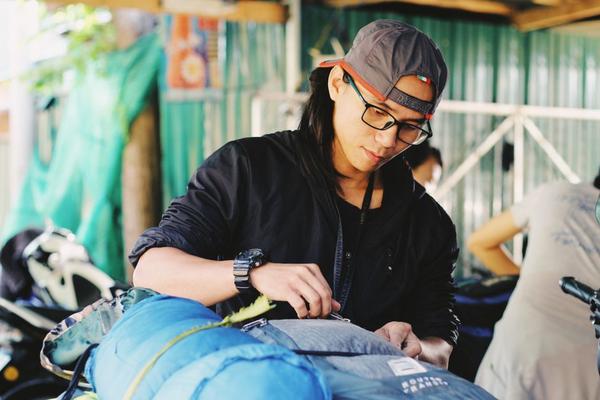
Your first backpacking trip gets easier when you stop packing for every possible situation and start packing for the trip you are actually taking. A good backpacking packing list for beginners should cover the essentials, leave room for flexibility, and keep your bag light enough that airports, stations, hostel stairs, and long walks do not become exhausting.
The budget-friendly approach is simple: use what you already own, spend on items that affect comfort or safety, and skip specialist gear you do not need. Before packing, check the climate, trip length, accommodation style, transport rules, and laundry access for your route.
Start With the Right Backpack
The best beginner backpack is not automatically the biggest one. Larger bags encourage overpacking and are harder to carry. Choose a pack that feels comfortable when loaded, has adjustable straps, and suits the transport you will use. If you are flying, check your airline’s current cabin and checked-baggage dimensions before deciding whether your backpack can travel as hand luggage.
A rain cover or lightweight pack liner is useful in wet conditions. Packing cubes are optional; ordinary reusable pouches can separate clothes, toiletries, cables, and laundry for less money.
Documents, Money and Travel Basics
Keep your passport or identification, tickets, booking details, insurance information, bank cards, and any required visas or permits secure but accessible. Save protected digital copies of important documents and consider one paper backup stored separately.
Carry some local cash and, if possible, a second payment card stored away from your main wallet. Add a pen as well; it weighs almost nothing and is still useful for forms and quick notes.
Clothing: Pack for Reuse
The easiest way to keep a backpack light is to choose clothes that mix together. Pack several versatile tops, two or three bottoms, enough underwear and socks to bridge laundry days, sleepwear, and layers suited to the destination. A lightweight waterproof or wind-resistant outer layer is often more practical than a bulky coat.
Take comfortable walking shoes you have already worn for long periods. For a practical example, a beginner travelling for two weeks does not need fourteen shirts. Four or five versatile tops plus one or two laundry stops can remove a lot of bulk without making the trip inconvenient.
Toiletries Without Overpacking
Pack only the toiletries you use regularly: toothbrush, toothpaste, deodorant, basic skincare, a comb or brush, and personal hygiene products. Refill small reusable bottles from products you already own instead of buying miniature versions repeatedly.
If you are flying with liquids in cabin baggage, check the current security rules for the airports on your itinerary because requirements can vary. A small quick-dry towel can be useful for hostels, beaches, or accommodation that charges for towel hire.
Technology and Charging Essentials
Your phone may handle maps, bookings, tickets, translation, photos, and communication, so reliable charging matters more than carrying lots of devices. Pack your phone charger, necessary cables, a travel adaptor, and a power bank if you need one. For flights, keep power banks in hand baggage and check your airline’s rules, since limits and use restrictions can apply.
Headphones are useful on buses, trains, and in shared accommodation. Only bring a laptop or tablet if you know you will use it. Leaving an unnecessary device at home saves weight and gives you one less valuable item to protect.
Hostel and Sleep Essentials
If you will stay in hostels, add a small padlock for lockers, earplugs, and an eye mask. These inexpensive backpacking essentials can improve a trip more than bulky comfort items. A compact reusable water bottle is also useful when you have a safe refill source.
Check what your accommodation provides before packing bedding or a large towel. If you are still planning your route and accommodation style, our how to start backpacking guide is a natural next read.
Health, First Aid and Safety
Bring your regular medication in suitable packaging and enough for the trip, allowing for reasonable delays where practical. A small first-aid selection can include adhesive plasters, blister treatment, basic pain relief you normally use, and personal medical supplies. The goal is to handle minor problems, not carry a portable pharmacy.
Sunscreen, insect repellent, or cold-weather protection should match the destination. Research local conditions and laws before packing defensive, restricted, or unusual items.
What to Pack for Backpacking on a Budget
Before buying anything, lay out your proposed backpacking checklist and divide it into three groups: already own, can borrow, and genuinely need to buy. Spend first on comfortable footwear, a well-fitting backpack, weather protection, and safety-critical items. Save on organisers, laundry bags, bottles, and accessories by repurposing things from home.
Do a test pack several days before departure and walk around with the loaded bag for at least twenty minutes. If it feels awkward at home, it will feel worse after a long travel day. Remove duplicates, “just in case” outfits, full-size toiletries, and gadgets without a clear purpose. Our budget travel planning tips and how to choose a travel backpack are useful follow-up topics if you want to reduce cost and weight further.
Final Backpacking Checklist Before You Leave
On the night before departure, confirm that you have identification, payment methods, essential medication, phone, charging gear, weather-appropriate clothing, comfortable footwear, toiletries, and booking details. Check the forecast and transport baggage rules one last time instead of adding random extras.
Keep first-day essentials near the top of the bag: documents, wallet, phone, charger, water bottle, light layer, and medication. Items you will not need until check-in can go deeper.
Frequently Asked Questions
How heavy should a beginner’s backpack be?
There is no single ideal weight because body size, climate, trip type, and gear needs vary. The practical test is whether you can comfortably carry the packed bag for the walking and transfers your itinerary requires. If it feels unpleasant during a short test walk, remove non-essential items.
How many clothes should I pack for a two-week trip?
Pack for the number of days between laundry opportunities rather than the full two weeks. Several interchangeable tops, a few bottoms, underwear and socks for a sensible laundry cycle, sleepwear, and destination-appropriate layers are more useful than fourteen separate outfits.
Do beginners need expensive backpacking gear?
No. Expensive specialist gear is unnecessary for many travel-style backpacking trips. Use reliable items you already own, borrow rarely used equipment where possible, and upgrade later only when you know what would genuinely improve your travel.
What do beginners most often overpack?
Clothing is an easy category to overpack because people prepare for too many outfit combinations and unlikely scenarios. Planning around laundry, repeat wear, and layering usually frees the most space without reducing comfort.
Pack Light Enough to Enjoy the Trip
A useful list is not the one with the most gear. It is the one that helps you leave prepared without carrying unnecessary weight. Start with documents, money, medication, weather-appropriate clothing, comfortable footwear, basic toiletries, charging essentials, and the hostel or safety items your route requires. Test the bag, remove anything without a clear job, and remember that many items can be replaced on the road if needed. Your first backpacking trip should feel like travel, not like moving house on your shoulders.