Rock climbing trips in the USA can feel completely different depending on where you go. One destination may mean long granite routes above a famous valley, while another is about steep sandstone sport climbing, desert cracks, or volcanic walls. For adventure travelers, the best choice is the place that matches your climbing style, season, access tolerance, and preferred trip experience.
How to compare US climbing destinations
Start with climbing style, then consider climate and logistics. A destination built around long traditional routes may be a poor fit for someone who mainly wants well-bolted single-pitch sport climbing. Desert areas are generally more attractive in cooler months, while mountain areas can have shorter windows shaped by snow, heat, storms, and road access. Nearby guide services, gear shops, lodging, and restaurants also make a meaningful difference when planning a climbing trip.
Yosemite National Park, California
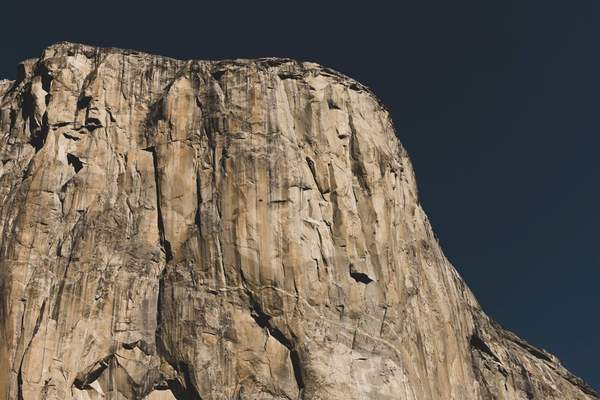
Yosemite is the defining American destination for granite climbing. Yosemite Valley is famous for traditional routes and big walls on formations such as El Capitan, while the park also offers shorter climbs and high-country options. Spring and autumn are often the most comfortable periods in the Valley, while summer can suit higher elevations when roads and conditions allow. Overnight big-wall climbers need a free wilderness climbing permit; day climbers do not need that permit. Check National Park Service conditions for current closures before traveling. Yosemite is strongest for climbers who value traditional climbing, multi-pitch objectives, and a major national-park experience.
Joshua Tree National Park, California
Joshua Tree offers cracks, slabs, steep faces, and bouldering across a high-desert landscape. The National Park Service lists more than 8,000 climbing routes and 2,000 boulder problems, giving visitors exceptional variety. Cooler months are generally the most comfortable time to visit, while summer heat can be extreme. Joshua Tree town and Twentynine Palms provide practical bases near the park. This is one of the best climbing areas for travelers who want desert scenery and a mixture of roped climbing and bouldering. Permitted guide services are available for visitors who want professional instruction or local route knowledge.
Red Rock Canyon, Nevada
Red Rock Canyon, just west of Las Vegas, combines sandstone climbing with unusually convenient city access. The area is known for long multi-pitch routes, traditional climbing, and sport climbing. Cooler months are the main season. From October 1 through May 31, timed-entry reservations are required for the Scenic Drive between 8 a.m. and 5 p.m., an important trip-planning detail. Las Vegas adds flights, hotels, rental cars, restaurants, and guide services, making Red Rock especially attractive for a shorter climbing getaway or a trip with non-climbing companions.
Red River Gorge, Kentucky
Red River Gorge is a standout eastern destination, particularly for steep sandstone sport climbing. The wider region includes public land and privately managed preserves, with different access rules depending on the crag. Traditional climbing is also part of the area, but the Red is especially associated with overhanging routes and pocketed sandstone. Spring and autumn are popular because temperatures are generally more comfortable, though rain and humidity can affect conditions. Slade, Stanton, and nearby communities make useful bases. Check the rules for each climbing area rather than assuming one parking or waiver system covers the whole region.
Smith Rock State Park, Oregon
Smith Rock is one of the most important destinations in American sport-climbing history. The park contains several thousand climbs, including more than a thousand bolted routes, on volcanic tuff and basalt. Sport climbing is the main draw, but traditional and multi-pitch routes add variety. Spring and autumn are typically the busiest seasons, and seasonal wildlife closures can restrict some areas. Terrebonne is closest, while Redmond and Bend provide more lodging and travel services.
A practical three-day plan is to base in Bend, climb two days at Smith Rock, and keep one flexible day for weather, rest, or high-desert sightseeing. That buffer is often more useful than committing every day to a hard objective.
New River Gorge, West Virginia
New River Gorge offers hard sandstone, crack and face climbing, and more than 1,400 established routes within the national park and preserve. Many routes favor intermediate-to-advanced climbers, and the area is known for technical sport and traditional climbing. The National Park Service identifies late April to mid-June and mid-September to late October as especially favorable climbing periods. Fayetteville is the natural travel base, with restaurants, lodging, gear shops, and outdoor outfitters close to the gorge.
Which destination fits your trip?
For iconic granite and long traditional routes, Yosemite stands apart. For desert cracks and bouldering, Joshua Tree is hard to match. Red Rock Canyon is particularly convenient for a fly-in trip with city amenities, while Red River Gorge shines for steep sport climbing. Smith Rock blends sport-climbing history with a central Oregon road-trip setting, and New River Gorge is a strong eastern choice for technical sandstone.
The best comparison is not simply about route counts. Match the destination to your climbing style, travel month, willingness to manage permits or access rules, and how much you value nearby town amenities. If you are building a wider itinerary, related planning around US national parks, adventure travel packing, and scenic road trips can help turn climbing days into a more complete trip.
Frequently asked questions
What are the best months for outdoor rock climbing in the USA?
There is no single national season. Desert areas such as Joshua Tree and Red Rock are generally better in cooler months, while Yosemite and Smith Rock vary more with elevation and weather. New River Gorge is especially popular in late spring and early-to-mid autumn. Always check current closures and access notices shortly before departure.
Which destination is easiest for a short climbing trip?
Red Rock Canyon is especially convenient because it is close to Las Vegas airport, hotels, rental cars, restaurants, and guide services. Joshua Tree is also practical from Southern California, while Fayetteville provides a compact base for New River Gorge.
Do I need a guide for a climbing trip?
A guide is not automatically required, but professional guiding is a sensible choice when your group lacks the skills needed for planned routes, anchors, rappels, navigation, or local conditions. Use services authorized to operate in the relevant park or climbing area.
What should I check immediately before traveling?
Review the official land manager’s current conditions, closures, parking rules, reservation requirements, weather, and route-specific access restrictions. Even familiar destinations can change seasonally, so a final check a few days before departure can prevent a wasted climbing day.
Choosing the right climbing destination
The strongest climbing trips are built around fit rather than fame. Yosemite, Joshua Tree, Red Rock, Red River Gorge, Smith Rock, and New River Gorge each offer a distinct combination of rock type, climbing style, season, access, and travel infrastructure. Compare those practical details first, leave room for weather or rest, and the destination becomes part of a well-planned adventure rather than just a list of routes.