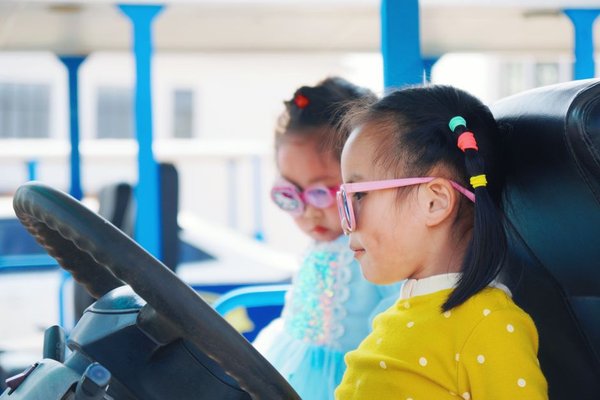
Traveling with preschoolers can be wonderfully fun one minute and surprisingly complicated the next. Children ages three to five are curious enough to notice everything, but they may still need naps, familiar food, help with bathroom visits, and time to recover from excitement. They can walk farther than toddlers, yet a full day of sightseeing may exhaust them long before adults feel tired.
The secret isn’t packing more entertainment or planning every minute. It’s building a trip around a preschooler’s changing energy, growing independence, and need for predictability. These preschool travel tips can make road trips, flights, and family vacations easier without expecting young children to behave like miniature adults.
Plan Around Energy, Not Just Attractions
When planning a vacation with a preschooler, consider how long an activity feels from your child’s perspective. A museum that takes adults two hours might provide only 30 enjoyable minutes for a four-year-old. Long queues, unfamiliar sounds, and missed snacks can make even a popular attraction less appealing.
Choose one main activity each day and treat anything extra as optional. Visit a playground after a structured tour, or schedule a relaxed afternoon after an early excursion. Your child’s usual energy rhythm is a better guide than someone else’s perfect itinerary.
Keep Familiar Routines Without Copying Home Exactly
Travel disrupts normal life, but a few recognizable habits create stability. You don’t need to enforce a strict home schedule. Instead, protect what helps your child feel settled: a bedtime story, a familiar cuddly toy, a predictable snack, or the same short wind-down routine.
Before departure, explain where you’ll sleep and what the first day will look like: “We’ll take the train, eat lunch, play, and then go to our room.” If your child still naps, choose accommodation that makes midday rest practical. Otherwise, a quiet story break may help prevent an overstimulating afternoon.
Build Bathroom and Food Breaks Into the Journey
Bathroom access is a bigger part of traveling with preschoolers than many itineraries acknowledge. Encourage a toilet visit before boarding or leaving an attraction, without pressuring a child who cannot go on command. Carry spare clothes even if toilet training seems complete. Unfamiliar bathrooms and delayed stops can lead to accidents.
Pack familiar snacks and water. Offer food before a child becomes desperately hungry, and check transport restrictions on liquids or food. At restaurants, ordering one familiar option alongside something new can reduce mealtime conflict. Keep tissues and hand-cleaning supplies accessible.
Pack for Independence and Quick Fixes
The best packing strategy isn’t bringing everything. It’s keeping essentials within reach. A travel bag should contain a change of clothes, wipes, water, snacks, required medicines, and something comforting. Put these items near the top instead of buried in a suitcase.
Offer your preschooler a small backpack for a soft toy, picture book, and lightweight activity. Carry anything essential yourself. A family travel packing checklist can help prevent easy-to-forget items from becoming last-minute problems. Choose comfortable clothes and broken-in shoes; blisters can derail an otherwise excellent day.
Make Road Trips and Flights More Manageable
For car travel, plan shorter driving stretches with safe places to stop, move, and use the bathroom. A playground or picnic break often works better than a long meal at a service area. Games such as spotting colors, guessing animals, or listening for sounds keep the journey interactive.
On flights, explain security checks, boarding, and seatbelt rules ahead of time. Bring quiet activities such as stickers, a drawing pad, or downloaded stories with child-sized headphones. Offer them one at a time instead of revealing every option immediately. Swallowing water during descent may help with ear pressure.
Use a child restraint appropriate to your child’s size and the transport involved. For car journeys, follow local laws and the seat manufacturer’s instructions. If taking a child safety seat on an aircraft, check its approval and the airline’s requirements beforehand. A road trip with kids checklist is another useful resource for longer journeys.
Give Your Preschooler Small Choices
Children this age want more control, even while needing boundaries. Offer two acceptable choices: “Would you like the blue hat or the green one?” or “Should we visit the ducks before the playground?” Choice can turn a standoff into cooperation without handing over the whole schedule.
When emotions run high, reduce explanations. Get down to your child’s level, name what is happening, and offer a clear next step. A hungry, overwhelmed child may need food and quiet more than another reminder to be patient.
A Realistic Day With a Four-Year-Old
Imagine a family visiting a coastal town. They eat breakfast at eight, explore the harbor for an hour, and stop at a playground before lunch. After eating, they return to their accommodation for quiet time instead of adding a crowded museum. In the late afternoon, they take a short beach walk and have dinner early.
That modest schedule makes room for spontaneous discoveries. Watching boats or collecting smooth stones may become the day’s favorite memory. Flexible family trip planning means enough structure to feel secure and enough freedom to enjoy the unexpected.
Put Safety Within Your Daily Plan
In crowded places, teach a simple rule: stay close enough to hold an adult’s hand when asked. Make sure your child knows which trusted adult to approach if separated, and keep emergency contact details accessible. Never rely on a preschooler to navigate alone.
Supervise children closely near roads, pools, beaches, balconies, and unfamiliar animals. Ask about safety features when booking accommodation. For international travel, check entry documents, health advice, and recommended vaccinations before leaving. Family travel safety tips are easiest to follow when they become routine.
Frequently Asked Questions
What is the best age to start traveling with preschoolers?
There is no single ideal age. Some three-year-olds enjoy short trips, while others find unfamiliar settings difficult. Match the journey to your child’s temperament, stamina, and routine rather than waiting for a particular birthday.
How many activities should we plan each day?
One main outing plus optional playtime is a sensible starting point. Adjust based on energy and travel time between locations. Downtime is usually more useful than booking back-to-back attractions.
What activities keep preschoolers busy while traveling?
Sticker books, drawing boards, picture books, scavenger hunts, and audio stories work well. Rotate a few small activities and include movement breaks whenever possible. Familiar games often hold attention better than complicated new toys.
How can we handle meltdowns on vacation?
Check hunger, tiredness, temperature, noise, and bathroom needs first. Move somewhere quieter when possible, stay calm, and adjust the schedule. A difficult moment doesn’t mean the whole trip has failed.
Make Space for the Trip Your Child Can Enjoy
Successful travel with young kids rarely means seeing everything on your list. It means balancing discovery with rest, offering choices, and preparing for needs before they become urgent. When traveling with preschoolers, shorter days and familiar routines aren’t compromises. They’re often what makes a family trip enjoyable for everyone.