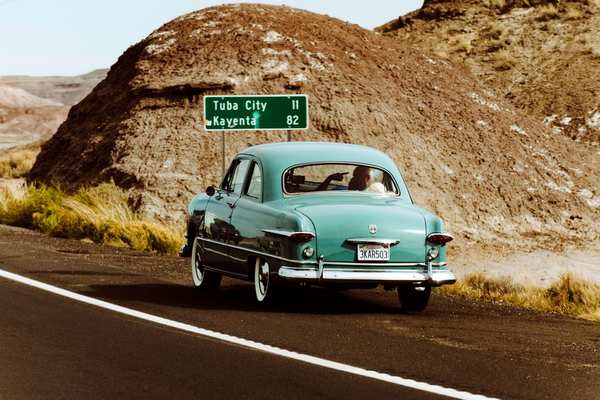
The best luxury road trips in the USA are not simply longer drives in a more expensive car. They are carefully paced journeys where the scenery, hotel, meal, and next morning all feel connected. Instead of racing between landmarks, the route leaves room for a spa treatment, a long lunch, a private guide, or an unplanned sunset stop. That slower rhythm is what separates memorable upscale road trips from ordinary point-to-point travel.
Build the trip around great stays, not maximum mileage
For luxury driving vacations, start with two or three exceptional hotels and design the driving days around them. Aim for roughly three to five hours behind the wheel on most transfer days, then add shorter local drives for wineries, viewpoints, galleries, or dinner. Book the hardest-to-replace experiences first, such as a sought-after resort, tasting menu, private tour, or spa appointment, and keep at least one afternoon deliberately open.
California: San Francisco, Napa, Big Sur, and Santa Barbara
California delivers one of the most complete high-end road trip experiences in the country because wine, coastline, fine dining, and luxury hotels can be combined without enormous daily distances. Begin in San Francisco, spend two nights in Napa Valley, then continue toward Monterey and Big Sur. Post Ranch Inn is a natural splurge stop above the Pacific, with Sierra Mar dining and an on-site spa that make it easy to park the car and stay put for an evening.
Continue south toward Santa Barbara when road conditions allow. Highway 1 is spectacular, but Big Sur access can change because of construction, landslides, weather, or emergency closures. Check Caltrans immediately before the drive and keep US 101 as a practical backup rather than forcing a coastal itinerary when conditions are poor. That flexibility protects both safety and the relaxed mood of the trip.
Southwest: Sedona, Grand Canyon, and Canyon Point
A desert route works especially well for travelers who want dramatic scenery without changing hotels every night. Start with two nights around Sedona, then drive to the Grand Canyon’s South Rim, which is open year-round. Arrive early enough to walk the rim before sunset, stay nearby, and return for sunrise rather than trying to squeeze the canyon into a rushed midday stop.
From there, continue toward Page and Canyon Point, Utah. Amangiri can serve as the premium anchor of the journey, with meals, scheduled guided activities, wellness offerings, and itinerary planning built into the stay. The contrast between red-rock roads and a quiet resort makes this one of the strongest luxury road trips in the USA for couples or milestone trips.
Wyoming and Yellowstone: Jackson Hole with a national-park finish
For a mountain-focused route, base the first part of the trip in Teton Village or Jackson. Four Seasons Resort and Residences Jackson Hole offers a polished base near Grand Teton National Park, so a scenic wildlife drive can be followed by a spa appointment or an unhurried dinner instead of another long transfer.
Continue north toward Yellowstone only after checking current road status. The park itself is open year-round, but many roads and visitor services are seasonal, especially from late fall through spring. In summer and early autumn, this route combines wildlife, geothermal landscapes, and refined lodging particularly well. Avoid stacking Yellowstone and Grand Teton into a single day; the real luxury is having time to stop when bison, weather, or a beautiful viewpoint slows the schedule.
New England: Rhode Island, the Berkshires, Vermont, and coastal Maine
New England is ideal for travelers who prefer compact driving days, historic towns, and strong food stops. Begin at Ocean House in Watch Hill, Rhode Island, then move inland through western Massachusetts and Vermont before finishing on the Maine coast. The route can include galleries, farm-to-table dinners, antique shops, mountain roads, and seaside walks without the huge distances common in western itineraries.
Late September and October bring popular foliage travel, so premium rooms can disappear early. A better strategy is to reserve the anchor hotels first, then shape the scenic drives around them. Spring and early summer offer a quieter alternative, while coastal Maine is especially appealing when you can schedule two nights in one place rather than changing hotels daily.
How to make a premium road trip feel effortless
Choose the vehicle for the route, not for the badge. A comfortable grand-touring car may suit California, while an SUV can be more practical for mountain weather and luggage. Confirm parking and valet arrangements at city hotels, download offline maps for weak-signal areas, carry water, and avoid planning important dinner reservations immediately after a long drive.
A useful real-world pattern is a seven-night trip with only three hotel changes: two nights at the first destination, one transit night if needed, two nights at the signature resort, and two nights at the final stop. That gives the journey structure without turning every morning into packing, checkout, and luggage handling.
For related planning, natural internal-link topics include scenic American drives, luxury national park stays, and premium weekend getaways. These can help readers expand a shorter itinerary into a longer journey without changing the overall travel style.
Frequently asked questions
How many miles should I drive per day on a luxury road trip?
There is no fixed number, but shorter driving days usually create a better premium experience. Plan enough time for scenic stops, lunch, hotel check-in, and an evening activity without arriving exhausted. Three to five hours of driving is a useful target on many routes.
What is the best time of year for a luxury road trip in the USA?
It depends on the region. California can work in several seasons, the Southwest is often more comfortable outside peak summer heat, Yellowstone road access is strongly seasonal, and New England is especially popular during autumn foliage. Always check local road and park conditions close to departure.
Should I book hotels or the route first?
Book scarce luxury hotels and high-demand experiences first, then build the route around them. This is especially useful for Big Sur, national-park gateways, and fall weekends in New England, where premium inventory can be limited.
Do I need an exotic car for an upscale road trip?
No. Comfort, luggage capacity, weather suitability, driver-assistance features, and easy servicing matter more than prestige. The right vehicle should reduce fatigue and make the journey simpler, not create anxiety over parking, rough roads, or limited cargo space.
Choose fewer stops and make them count
A successful high-end road trip in the USA is less about collecting destinations and more about creating a smooth sequence of standout moments. Pick one scenic region, reserve a few exceptional stays, protect time for meals and experiences, and leave breathing room between them. When the route is designed around comfort rather than mileage, the drive becomes part of the vacation instead of the work between vacations.