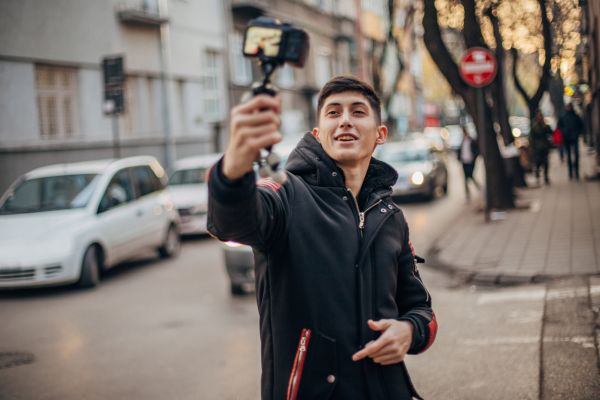
Travel Vlogging Needs More Than a Pretty Camera
Choosing a camera for travel vlogging sounds simple until you actually start packing for a trip. A camera may look perfect on paper, but once you are rushing through an airport, walking through humid streets, filming from a moving boat, or trying to record yourself before sunset disappears, the small details suddenly matter.
The best cameras for travel vlogging are not always the most expensive or the most technically powerful. They are the ones you can carry comfortably, set up quickly, trust in changing light, and use without feeling like the gear is interrupting the journey. Travel vlogging is about movement, surprise, atmosphere, and sometimes a little chaos. A good camera should help capture that feeling, not slow it down.
Why Portability Matters So Much
A travel camera lives in real conditions. It gets pulled out on crowded streets, tucked into a backpack, used in restaurants, carried on hikes, and sometimes balanced awkwardly on a wall because there is no tripod around. That is why size and weight matter more than many beginners expect.
A large camera can produce beautiful footage, but if it feels tiring to carry, you may leave it in the hotel room. And the camera left behind is never the best camera. For many travel vloggers, the sweet spot is a compact body with strong video quality, good autofocus, and simple controls. It should feel ready when a moment happens, because travel rarely waits for perfect settings.
Sony ZV-E10 II for Flexible Travel Storytelling
The Sony ZV-E10 II is a strong choice for travel vloggers who want room to grow. It is compact compared with larger mirrorless cameras, but it still gives creators the advantage of interchangeable lenses. That means you can use a wide lens for walking through old streets, a brighter lens for evening food markets, or a more cinematic lens for slow destination shots.
This type of camera suits vloggers who care about both talking-to-camera scenes and polished travel visuals. It feels especially useful for creators who want a camera that can move beyond casual vlogs into more serious storytelling. The trade-off is that lenses add extra weight and cost, so it is not the most minimal setup. Still, for travel bloggers who want creative control, it offers a flexible middle ground.
Sony ZV-1 II for Simple Everyday Vlogging
The Sony ZV-1 II fits a different kind of traveler. It is more compact, easier to carry, and less intimidating than a lens-based setup. For someone who wants a dedicated vlogging camera without building a full camera kit, it makes a lot of sense.
Its wide-angle zoom is useful for handheld shooting, especially when filming yourself while walking or standing close to landmarks. The built-in lens keeps things simple, which can be a real blessing during travel. You do not need to think about changing lenses in dusty streets or while standing near the sea. You just turn it on and film.
This kind of camera is ideal for city breaks, solo travel, café scenes, hotel room chats, and everyday travel diaries. It may not offer the same creative range as a mirrorless camera, but it wins points for convenience.
DJI Osmo Pocket 3 for Smooth Walking Footage
The DJI Osmo Pocket 3 has become a favorite among many travel creators because it solves one of the biggest problems in travel vlogging: shaky footage. Its built-in mechanical stabilization makes walking clips look smooth without needing a separate gimbal.
This is especially useful for travel vloggers who film markets, walking tours, train stations, beaches, and city streets. The camera is small enough to carry almost anywhere, yet it can produce footage that feels clean and steady. It also works well for creators who shoot alone, because tracking and the rotating screen make self-filming easier.
The Osmo Pocket 3 is not a traditional camera in the classic sense. It feels more like a tiny travel filming tool. That is exactly why it works. For fast-moving trips, where you want to capture motion without carrying extra equipment, it can be one of the most practical options.
GoPro HERO13 Black for Adventure and Harsh Conditions
Some travel is gentle. Some travel is not. If your vlogs include hiking, cycling, snorkeling, motorbike rides, skiing, waterfalls, or dusty roads, an action camera becomes more useful than a standard compact camera.
The GoPro HERO13 Black is designed for movement and rough use. It is small, tough, and easy to mount in places where other cameras would feel risky. For adventure travel, this matters. You can capture point-of-view shots, underwater scenes, wide landscapes, and fast action without worrying too much about the camera.
Of course, an action camera does not always give the most natural talking-head look. Its wide field of view can feel less personal for calm sit-down moments. But as a second camera for action, weather, and outdoor movement, it earns its place in a travel vlogging kit.
Canon PowerShot V10 for Casual Creators
The Canon PowerShot V10 is built for people who want something simple, small, and creator-friendly. Its compact body, built-in stand, wide lens, and straightforward handling make it approachable for beginners or casual vloggers.
This is the kind of camera you can place on a café table, record a quick hotel review, or use for a relaxed walking update. It does not ask the user to understand complex camera systems before filming. That simplicity is valuable, especially for travelers who care more about documenting the experience than adjusting settings.
It may not be the most advanced option for cinematic travel films, but not every travel vlog needs to look like a documentary. Sometimes the best camera is the one that makes filming feel natural.
Canon EOS R50 V for Video-Focused Beginners
The Canon EOS R50 V is another interesting option for creators who want a video-first camera with more flexibility than a compact model. It suits vloggers who are ready to step into interchangeable lenses but still want a camera designed with content creation in mind.
For travel, this kind of camera works well when you want better image quality, stronger autofocus, and a more polished look without jumping into heavy professional gear. It is a good fit for creators who film destination guides, food scenes, hotel walkthroughs, and personal storytelling.
Like other lens-based cameras, it does require more thought when packing. You may need to choose one practical lens rather than carrying too much. For travel, keeping the kit light is often the smarter choice.
Fujifilm X-S20 for Hybrid Travel Creators
The Fujifilm X-S20 is well suited to creators who care about both video and photography. Many travel vloggers also need strong still images for blogs, thumbnails, social posts, or personal archives, and this is where a hybrid camera becomes useful.
Its video features are strong, but its appeal also comes from Fujifilm’s color style and still-photo experience. For slower travel, cultural trips, street photography, and cinematic destination content, it can feel very rewarding to use.
It is not the smallest option in this guide, and it may be more camera than a beginner needs. But for a travel creator who wants one camera to handle vlogs, photos, and more polished visual storytelling, it is a serious option.
Audio Can Matter More Than Resolution
A camera’s image quality gets most of the attention, but audio can make or break a travel vlog. Viewers may forgive slightly imperfect footage, but they quickly lose patience with wind noise, muffled speech, or harsh background sound.
Travel vloggers should think about microphones, wind protection, and where they film. A beautiful seaside update can become unusable if the wind overpowers every word. Some cameras have better built-in audio than others, but even a small external mic can make a noticeable difference. For travel, compact audio gear is often worth more than another fancy accessory.
Battery Life and Storage Are Part of the Story
Travel days are long. A camera that performs well for twenty minutes but struggles through a full day can become frustrating. Batteries, memory cards, charging options, and file sizes all matter in real use.
Before choosing a camera, it helps to think about your normal travel rhythm. Are you filming short clips throughout the day? Long walking videos? Daily vlogs every evening? High-resolution footage looks beautiful, but it also fills cards quickly and takes longer to edit. The best setup is not only about quality. It is about what you can manage consistently while traveling.
The Best Camera Is the One That Matches Your Travel Style
There is no single perfect travel vlogging camera for everyone. A solo city traveler may love a compact Sony or DJI setup. An adventure creator may depend on a GoPro. A visual storyteller may prefer a mirrorless camera with interchangeable lenses. A beginner may feel more comfortable with something simple and ready to use.
The right choice depends on how you move, what you film, how much you want to carry, and how much editing you are willing to do later. A camera should support your style, not force you into someone else’s.
Conclusion
The best cameras for travel vlogging are not defined only by sharpness, specs, or brand names. They are defined by how well they fit into the reality of travel. A good travel camera should feel reliable in busy streets, easy during long days, and ready when a small, unexpected moment appears.
Whether you choose a compact vlogging camera, a stabilized pocket camera, an action camera, or a mirrorless setup, the real goal is the same: to tell the story of a place with clarity and feeling. Gear matters, but it is still only the tool. The journey, the eye behind the camera, and the honesty of the story are what make a travel vlog worth watching.