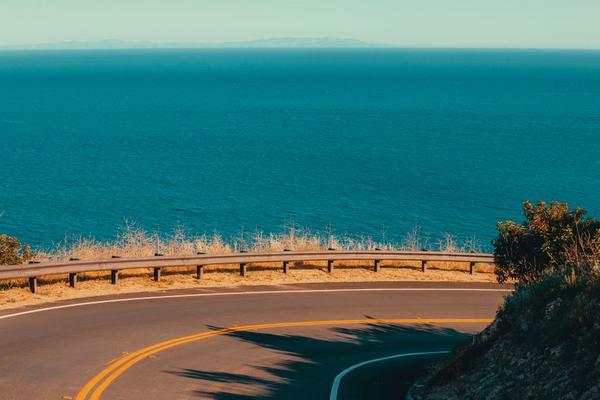
Stretch a map of California along its western edge and you’ll find one of the most scenic drives on the planet: the Pacific Coast Highway. Officially known as Highway 1 for much of its length, this road hugs cliffs, dips into fog-wrapped coves, and passes through towns that feel like postcards come to life. A PCH road trip isn’t just about getting from point A to point B — it’s about the stops in between, the pullouts you didn’t plan for, and the moments you’ll want to remember long after the trip ends. This guide breaks down everything you need to plan a smooth, memorable California coastal drive, from timing to route logistics to where to rest your head each night.
Understanding the Route
The Pacific Coast Highway technically refers to the stretch of coastal road running from Southern California up through Northern California, though many travelers use “PCH” and “Highway 1” interchangeably. The most iconic section runs roughly from San Diego to San Francisco, with the Big Sur portion between Carmel and San Simeon considered the crown jewel. Some road trippers extend the journey further north into Oregon and Washington, but for a classic Highway 1 road trip, the California stretch offers more than enough scenery and variety to fill a week or more.
How Long Is the Drive?
Driven start to finish without stopping, the full California coastline takes around 10 to 12 hours. But nobody drives PCH like that — and you shouldn’t either. Most travelers spread the journey over five to ten days, allowing time to wander through towns, hike coastal trails, and simply pull over when the view demands it.
When to Go
Timing matters more on this route than people expect. Late spring through early fall generally offers the clearest skies and warmest temperatures, though Big Sur can get foggy any time of year, especially in the mornings. Summer brings crowds and higher accommodation prices, particularly around Santa Barbara, Monterey, and Carmel. If you’d rather avoid traffic and inflated rates, consider a shoulder-season trip in April, May, September, or October, when the weather is still pleasant but the crowds thin out considerably.
Road Conditions to Watch
Highway 1 is prone to landslides and closures, particularly through Big Sur, where sections of road have occasionally shut down for extended repairs. Before finalizing your itinerary, check Caltrans’ current road conditions, since a closure can force a detour inland that adds hours to your day.
Best Stops Along the Pacific Coast Highway
Part of what makes a PCH road trip so rewarding is the sheer density of worthwhile stops. Rather than trying to hit every single one, it helps to think in regions.
Southern California
Starting from San Diego or Los Angeles, early highlights include Malibu’s beaches, the pier at Santa Monica, and the laid-back charm of Santa Barbara, often called the American Riviera. Further north, Solvang offers a quirky Danish-village detour just inland, worth a short side trip if you have the time.
Central Coast and Big Sur
This is where the drive turns dramatic. San Luis Obispo and Pismo Beach make good overnight bases before you reach the truly wild stretch through Big Sur. Here, Bixby Bridge, McWay Falls in Julia Pfeiffer Burns State Park, and the redwood groves along the Big Sur River are among the best stops on the entire Pacific Coast Highway. Give yourself extra time in this section — it’s slow driving, but it’s the reason most people take this trip in the first place.
Monterey to San Francisco
Beyond Big Sur, the coast softens slightly as you roll into Carmel-by-the-Sea, Monterey (home to the excellent Monterey Bay Aquarium), and the golf courses of Pebble Beach’s famous 17-Mile Drive. From there, Santa Cruz offers a more casual, beachy energy before the highway winds its way into San Francisco, a fitting endpoint for the journey.
Where to Stay Along the Way
Accommodation along PCH ranges from budget motels to cliffside luxury resorts, and availability can get tight in peak season. In Big Sur specifically, options are limited and pricey, so booking well in advance is essential if you want to stay directly in that stretch. Many travelers instead base themselves in Carmel, Cambria, or San Luis Obispo and take day trips into Big Sur, which can actually simplify logistics while still delivering the scenery. Camping is another popular option — state parks like Pfeiffer Big Sur and Kirk Creek offer sites with ocean views, though these book up months ahead during summer.
Tips for Driving Highway 1
A few practical notes can make a big difference on this trip. Fill your gas tank whenever you see a station, since stretches through Big Sur can go many miles without services. Cell service is unreliable in the more remote sections, so download offline maps beforehand. The road itself is narrow and winding in places, with limited guardrails along some cliffside sections, so drive cautiously, especially if you’re not used to coastal mountain roads. Finally, build slack into your schedule — the best moments on a California coastal drive are rarely the ones you planned.
Frequently Asked Questions
How many days do you need for a Pacific Coast Highway road trip?
Most travelers find five to seven days comfortable for the full California stretch, though you could do a shorter version focused on Big Sur alone in two to three days if time is limited.
Is the Pacific Coast Highway the same as Highway 1?
They overlap significantly but aren’t identical. Highway 1 is the official road designation, while “Pacific Coast Highway” is often used more loosely to describe the scenic coastal route, which occasionally shifts onto Highway 101 in places where Highway 1 doesn’t run directly along the coast.
What is the best direction to drive PCH?
Driving south to north puts you in the outer lane along many coastal sections, which some travelers prefer for photo opportunities and pullouts. That said, plenty of people drive north to south with no issues — it largely comes down to personal preference.
Is Big Sur often closed?
Sections of Highway 1 through Big Sur have experienced closures due to landslides in past years. It’s worth checking current Caltrans road condition updates a few days before your trip and having a rough backup plan in mind.
Whether you’re chasing five days or a full two weeks, a Pacific Coast Highway road trip rewards travelers who slow down and let the coastline set the pace. Plan the logistics, but leave room for detours — some of the best stops on this drive are the ones you find yourself, not the ones on any list.