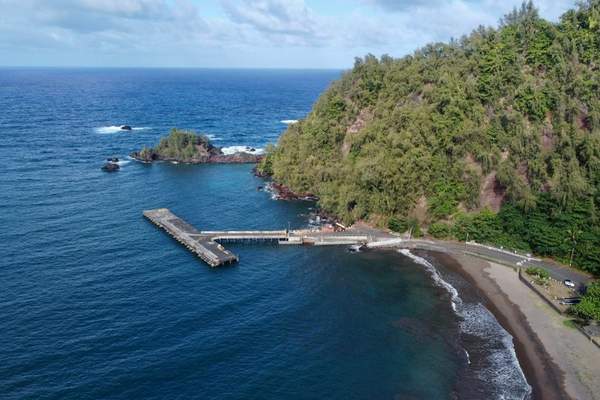
The Road to Hana is less about reaching a town than experiencing Maui’s lush eastern coast. The Hana Highway curls past rainforest, narrow bridges, waterfalls and ocean cliffs, but the best moments rarely follow a rigid checklist. They happen when you leave time to stop safely and enjoy the scenery without blocking the road.
A rewarding Road to Hana road trip starts with three decisions: how far to go, which stops matter most and when to turn around. Here is how to plan a scenic day without racing the clock.
How Long Does the Road to Hana Take?
From Kahului, reaching Hana without sightseeing stops typically takes about two and a half to three hours, sometimes longer with traffic or rain. For a round-trip sightseeing day, allow roughly eight to ten hours. Starting in West Maui or adding a substantial hike may require more time.
The classic route follows the north shore through Paia and onto Hana Highway, including Highway 360. Expect tight bends, narrow stretches and single-lane bridges. Mile markers help you navigate, but a named roadside attraction does not always have safe parking.
Plan your return in daylight. Your drive back to a hotel may take considerably longer than the map suggests.
Build Your Road to Hana Itinerary Around One Priority
Rather than treating fifteen attractions as compulsory, choose one anchor experience. It might be the black sand coast at Waiʻānapanapa State Park, the lava-rock shoreline at Keʻanae or a hike beyond Hana. Fill the remaining hours with flexible stops.
Prepare Before Leaving Paia
Fill the fuel tank, use the restroom and download offline maps. Cell reception can be unreliable, and services become less frequent farther east. Bring water, snacks, rain protection, sturdy shoes and motion-sickness supplies if needed.
Check the forecast, park advisories and highway conditions on the day of travel. Heavy rain can trigger flooding and rockfalls. If the weather looks unsafe, save this route for another day and explore our guide to scenic drives in Hawaii instead.
Example: A Relaxed Day Trip
Imagine leaving Paia around 7 a.m. You make one short early stop, enjoy the Keʻanae Peninsula, buy lunch and continue toward a reserved Waiʻānapanapa entry window. After exploring Hana, you reassess the time and energy before driving back.
If a viewpoint’s parking area is full, simply continue. That small choice protects your schedule and keeps traffic moving. Book park entry for a window you can reasonably reach; never speed to make a reservation.
Best Road to Hana Stops to Consider
Twin Falls: An Early Taste of the Rainforest
Twin Falls is a popular stop near the beginning of the drive. Access rules, parking arrangements and trail conditions can change, so check before arriving. Treat any pools with caution: upstream rain can turn apparently calm water hazardous.
Keʻanae Peninsula: Waves, Lava Rock and Banana Bread
The Keʻanae turnoff leads to dramatic coastline where surf crashes against dark volcanic rock. Enjoy the view from safe ground rather than approaching the water’s edge. Roadside food vendors, when open, offer a chance to support local businesses and take an unhurried break.
Puaʻa Kaʻa State Wayside: A Practical Pause
This leafy state wayside offers a useful break when its parking and facilities are available. Waterfalls and streams are tempting, but swimming conditions are not guaranteed safe. Stay within public areas and follow posted notices.
Waiʻānapanapa State Park: The Black Sand Coast
One of the most distinctive Road to Hana stops, Waiʻānapanapa has black sand, coastal formations and walking opportunities. Nonresident visitors must reserve entry and, if driving, parking in advance. The official Hawaii State Parks reservation system generally opens dates up to 30 days ahead; same-day admission cannot be purchased at the entrance.
Parking and individual entry requirements are separate, so account for every passenger. Arrive within your reserved period and respect ocean and trail warnings. This is a stop to organize the day around, not squeeze in spontaneously.
Hana Town: A Place to Slow Down
Hana is a small community, not just a marker at the end of the highway. Enjoy a meal or visit an accessible public area without rushing. Keep driveways clear, use restrooms respectfully and remember that residents depend on the same roads visitors use for sightseeing.
Should You Drive Beyond Hana?
Beyond town, the Kīpahulu District of Haleakalā National Park offers coastal views and the Pīpīwai Trail. The full trail is approximately four miles round trip, with waterfall viewpoints and a bamboo forest. It deserves several hours once you include the extra drive and time on foot.
The Pools of ʻOheʻo are visible from the Kūloa Point Trail, but entry into the pools is prohibited for safety reasons. Check National Park Service notices for current access and trail conditions. Kīpahulu is separate from the park’s summit district, with no direct road connecting the two.
For many first-time visitors, returning along the familiar north-shore route is the sensible choice. The so-called backside route can include rough sections or closures and may be restricted by rental agreements. A loop is not automatically quicker or safer.
Safe Driving and Respectful Travel Tips
The Hana Highway is both a scenic route and a local lifeline. Park only in permitted places where your vehicle fits completely out of traffic. Never stop on bridges, block entrances or walk into the road for photos.
Use extra care at single-lane bridges. Allow local drivers to pass when a safe turnout appears, and avoid sudden braking when you spot a waterfall. Do not cross private land, climb barriers or follow directions to unofficial swimming spots. Flash floods, strong surf and falling rocks are genuine risks.
A guided tour can be worthwhile if you would rather watch the scenery than handle the winding road. If driving yourself, selecting fewer stops makes the experience calmer for everyone.
Frequently Asked Questions
Can you complete the Road to Hana in one day?
Yes. Start early, choose a handful of stops and turn back before daylight fades. Stay overnight if you want extensive hiking or a particularly slow-paced trip.
Do you need a four-wheel-drive vehicle?
No. The standard paved route to Hana normally does not require four-wheel drive. A reliable vehicle and cautious driving matter more. Check rental restrictions before planning roads beyond Hana.
Can you visit the black sand beach without booking?
Nonresident visitors to Waiʻānapanapa State Park need advance reservations. Reserve the appropriate entry and parking online before the trip.
When should you begin driving?
Early morning provides more daylight and flexibility, although it does not guarantee empty roads. Start early enough to reach your main stop without rushing and return before dark.
Let the Journey Set the Pace
The best Road to Hana road trip leaves room for a surprise viewpoint and accepts that some places will go unseen. Prioritize safety, respect East Maui and focus on a few meaningful stops. If this drive is part of a longer holiday, pair it with our Maui road trip itinerary and Maui travel packing checklist rather than trying to explore the whole island in one day.