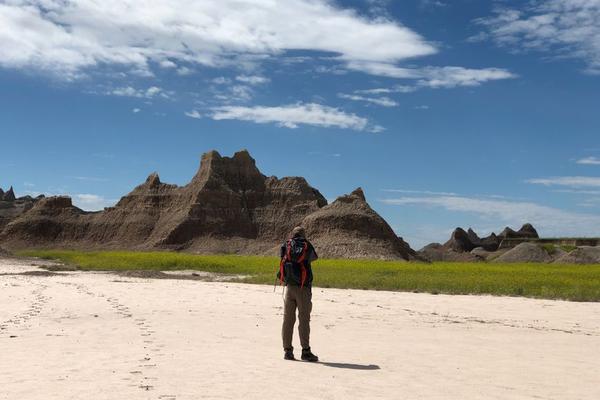
Solo national park trips can feel wonderfully uncomplicated: choose a trail, set your own pace, and stop whenever the scenery deserves another look. Yet a national park is not the same as a city break. A closed road can add hours to a journey, a valley may have no mobile signal, and a routine afternoon walk can become difficult when weather changes. Going alone is possible, but independence works best with a clear plan.
Choose a Park That Fits Your Experience
Start with the landscape, not the most dramatic photograph. Established trails near visitor centres and popular scenic routes are easier first choices than isolated wilderness crossings. Consider elevation gain, exposure, water availability, driving distances, seasonal access and whether you have hiked in similar conditions.
National parks solo travel is more enjoyable when the challenge is appropriate. A confident woodland walker may still need time to adjust to desert heat or high-altitude terrain. For a first independent visit, plan one manageable day hike and a shorter alternative. A useful companion topic is choosing beginner-friendly hiking trails.
Research the Route, Not Just Its Distance
A six-mile trail with gentle grades is different from six miles involving loose rock, steep descents or exposed ridges. Read the park’s official trail description, check alerts, identify the trailhead and review current conditions. Study junctions, river crossings and sections where the path becomes hard to follow.
Build your park trip planning around a realistic turnaround time rather than a summit you feel obliged to reach. Estimate the return, remembering that fatigue, elevation and difficult footing slow progress. Carry an offline map and know how to use it; downloading a route is not the same as learning navigation.
Check Entry Rules and Permits Separately
An entrance pass, timed-entry reservation, campsite booking and wilderness permit serve different purposes. Requirements vary by park, season and activity. Check the official park website before travelling, including collection procedures and identification requirements. Do not assume a campsite booking authorises every hiking route.
Make a Plan Someone Else Can Act On
Give a trusted person your park name, trailhead, intended route, vehicle details, expected return time and the point at which they should contact authorities if you have not checked in. Agree on that action in advance. Update them if plans change while you have reception, and message them when you finish.
A parked vehicle or vague message saying you are hiking in the mountains gives search teams little to work with. The National Park Service recommends leaving a trip plan, carrying the Ten Essentials and preparing for emergencies. A detailed solo hiking checklist can make this a routine rather than a last-minute task.
Prepare for Weather That Changes the Rules
Check the forecast for the specific area and elevation, not simply the nearest town. Mountain temperatures can drop quickly; desert heat can make a modest walk exhausting; storms may create lightning or flash-flood hazards. Consult park alerts on the morning of your trip, including road and trail closures.
If thunder is audible, seek appropriate enclosed shelter rather than continuing toward an exposed overlook. Avoid narrow canyons or washes when flooding is possible, even if rain is falling only upstream. Snow, ice or high water can make a familiar route unsuitable. Choosing a scenic drive instead is sound judgment, not a failed adventure.
Carry Equipment for a Delayed Return
Hiking alone safety depends partly on coping without immediate help. The National Park Service’s Ten Essentials cover navigation, sun protection, insulation, lighting, first aid, fire-starting supplies, repair tools, food, water and emergency shelter. Adapt those categories to local regulations and conditions, and carry necessary medication.
Take adequate water for the terrain and weather, with a reserve, plus food and suitable layers. A headlamp is more dependable for a late finish than a phone torch. Bring a battery bank, but do not treat a charged phone as guaranteed communication: many parks have coverage gaps. On remote routes, consider a satellite emergency device and understand its limitations before departure.
Use a Simple Decision Rule on the Trail
Imagine arriving at a junction in a mountain park at midday. The trail to your planned lake is still two miles away, clouds are building and your offline map shows a steeper return than expected. Rather than justifying the distance already walked, ask three questions: Is the route clear? Is the weather acceptable? Can I return comfortably before my agreed deadline?
If any answer is uncertain, turn around while you still have options. Set a turnaround time before leaving the trailhead and treat it as a firm boundary. Stay on designated trails, give wildlife space, and never approach animals for photographs. A good solo day ends with enough energy to make sensible decisions back to the car.
Make Overnight Logistics Part of Safety
Book accommodation or campsites early where demand is high, and check arrival hours, food storage rules and travel time between lodging and trailheads. Some park roads are slow even when mileage looks short. Avoid planning a difficult hike immediately after a long drive.
For an overnight wilderness trip, route finding, food storage, weather exposure and managing an injury become more demanding. Build skills on supported day hikes first. If your next visit involves camping, review a national park camping preparation guide alongside the park’s regulations.
Know What to Do if Things Go Wrong
If you become disoriented, stop and identify your last known position. Use a map or GPS and retrace your route only when safe. If you cannot recover the route, contact emergency services or activate your emergency device if available. Share coordinates, trailhead information and landmarks. Once help is requested, generally remain in a safe location so rescuers can find you; move if staying poses immediate danger.
Frequently Asked Questions
Is it safe to visit a national park alone?
It can be, particularly on suitable maintained trails with good preparation. Solo visitors have less immediate assistance if injured or lost, so conservative route choices, a shared itinerary and emergency equipment matter.
Should beginners hike alone in national parks?
Beginners are better served by short, clearly marked, well-used routes during favourable conditions. Learn basic navigation and hiking skills first, and consider a ranger-led activity or companion for unfamiliar terrain.
Do I need a permit for a solo day hike?
Not necessarily. Some parks or routes require reservations or permits, while many ordinary day hikes do not. Verify the rules for your date, trail and intended activity.
What if my phone has no signal?
Use your offline navigation tools, stay on your planned route and follow your emergency plan. For remote travel, a configured satellite communicator or personal locator beacon can provide another way to summon assistance.
Enjoy the Freedom Without Rushing the Judgment
The best solo national park trips leave space for curiosity and for changing course. Choose terrain you can manage, confirm conditions and permits, tell someone where you will be, and carry what you need if the day runs long. The reward is not proving you can do everything alone. It is returning safely, with confidence to explore again.