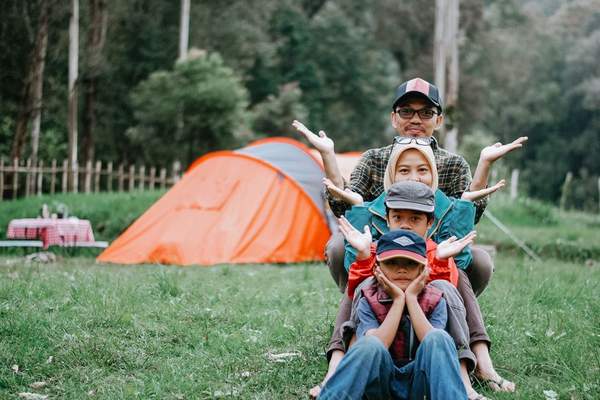
A family camping trip with kids can be an affordable escape from everyday routines. You trade hotel corridors for birdsong, screens for muddy shoes, and expensive attractions for the excitement of spotting wildlife. The secret is not planning a perfect wilderness adventure. It is making the outdoors manageable, especially when little legs get tired and bedtime happens somewhere unfamiliar.
For your first outing, choose convenience over adventure. One comfortable night close to home can teach you more than an ambitious week away.
Choose a Campground That Works for Children
Start with an established campground offering toilets, drinking water, clear site boundaries, and vehicle access. Read recent reviews for noise, shade, cleanliness, and bathroom distances. Check reservations, parking rules, quiet hours, and whether your tent size is permitted.
Look for level ground away from steep slopes, unstable branches, and water hazards. A site near the toilets helps younger children, though one directly beside a busy path may disturb sleep. A playground or easy nature trail is a bonus, not a necessity.
Before booking, confirm local fire restrictions and wildlife guidance. For a first family camping trip with kids, a relatively short drive makes forgotten supplies or early departures less stressful.
Pick the Right Weather and Trip Length
Choose mild weather and check daytime and overnight temperatures. A warm afternoon can become a chilly night. Avoid severe-weather warnings and make a backup plan for storms.
One or two nights are enough for beginners. Arrive several hours before sunset to pitch the tent and find the bathrooms without rushing. If possible, test your equipment in the backyard beforehand.
Pack for Comfort, Not Every Possibility
Good camping trip planning begins with shelter and sleep: a weather-appropriate tent, groundsheet, sleeping pads, suitable sleeping bags, pillows, headlamps, spare batteries, and a lantern. A tent marketed for four people may fit four sleepers but leave little room for bags.
Keep Essentials Organized
Store bedding together and keep food and hygiene supplies separate. Pack drinking water or confirm the campground has a potable supply. Bring toilet paper, handwashing supplies, rubbish bags, sunscreen, appropriate insect repellent, a first-aid kit, and a charged phone with an offline map.
Pack one complete spare outfit per child in a waterproof bag. Wet socks and unexpected puddles are ordinary parts of camping with kids. A family camping packing list is useful for checking supplies before departure.
Pack According to Age
Babies and toddlers need nappies, feeding supplies, comfort items, and a safe age-appropriate sleeping arrangement. Preschoolers benefit from easy-on shoes and spare layers. Older children can carry a small daypack with water, a jacket, and an activity notebook.
Make Mealtimes Easy
Choose food your family already enjoys: sandwiches, oatmeal, fruit, wraps, and simple pre-prepared ingredients. Keep perishables properly chilled. Store food, rubbish, and scented items according to the campground’s wildlife rules, never inside your sleeping tent.
Children can wash fruit, organize plates, or assemble wraps. Practice using a new camping stove at home. Cook only in a suitable outdoor space; never use camp stoves, charcoal grills, or fuel-burning heaters inside a tent because dangerous carbon monoxide can accumulate.
Help Everyone Sleep Better
Sleep is often the hardest part of kid friendly camping. Let children explore the tent in daylight, bring a familiar soft toy, and follow a simplified bedtime routine. Explain that unfamiliar outdoor sounds are normal without dismissing their worries.
Dress children in dry layers suited to the forecast, with properly insulated sleeping gear. Keep a headlamp ready for nighttime bathroom trips. Establish one clear rule: children do not leave the tent alone after dark.
Set Safety Rules Before Play Begins
Walk around the campsite together. Show children where they may play, identify a meeting point, and explain what to do if separated. Younger children need close supervision, especially near water, roads, cooking equipment, and fires.
Keep children away from a permitted campfire’s edge; an adult must supervise it and extinguish it completely before leaving or sleeping. Never approach or feed wildlife. Follow insect-repellent instructions for each child’s age, and check for ticks after grassy or wooded activities.
Find the nearest medical help and check mobile coverage. Teach children to stop and call for help if lost rather than wandering farther. These family camping tips matter more than another camping gadget.
Plan Play Without Filling Every Hour
Choose two flexible activities a day, perhaps a short nature walk and a scavenger hunt. Children can sketch clouds, listen for birds, compare leaves, or search for animal tracks without disturbing habitats. Keep cards or a simple game for rainy periods.
Short trails usually beat exhausting hikes. Pause for snacks and turn back before everyone is tired. An outdoor activities for kids guide can provide extra low-cost inspiration, but leave room for spontaneous discoveries.
A Realistic First-Night Schedule
Imagine two adults camping with a four-year-old and an eight-year-old. They arrive at 3 p.m., set up the tent, locate the toilets, and establish play boundaries. At 4 p.m., they explore a short trail. Dinner is easy, followed by a card game and an early bedtime routine.
Next morning, breakfast and a short walk leave plenty of time to pack. This gentle pace creates room for unexpected delays rather than turning the holiday into another timetable.
Save Money Without Sacrificing Comfort
Borrow or rent equipment before purchasing it, camp near home, and bring regular groceries rather than specialty meals. Compare campsite fees, travel, food, firewood, and gear costs before booking. For bigger trips, a budget family travel guide can help put expenses in perspective.
Frequently Asked Questions
What age is best for a first family camping trip?
There is no universal starting age. Babies, toddlers, and teenagers can enjoy camping when the facilities, supervision, weather, and sleeping arrangements match their needs. Begin with a short trip.
How many nights should beginners book?
One night is a useful trial. Two nights can work if you have tested your gear and everyone is comfortable sleeping away from home.
What if it rains while camping with kids?
Bring waterproof clothing, dry spare layers, and simple tent activities. Postpone plans during dangerous forecasts and seek sturdy shelter if conditions become unsafe.
How can children have fun without screens?
Offer small responsibilities, short walks, observation games, and unstructured play. The simplest discoveries often become the favorite memories.
Make the First Trip Worth Repeating
Successful family camping depends less on expensive equipment or ambitious hikes than on a safe site, comfortable sleep, familiar food, and flexible expectations. Start small and improve one thing next time. The best result is a family asking when they can go again.