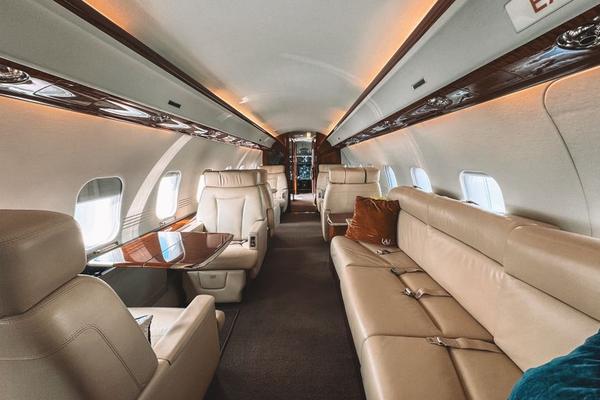
Booking first class flights from the USA sounds straightforward until you compare the options. One airline offers a wide recliner on a two-hour domestic trip; another provides a private suite with a bed on an overnight journey. Both might use the words “first class,” but the experiences—and prices—are worlds apart. The useful question is what the fare includes, from airport check-in to arrival.
First Class in the United States Is Not One Standard Product
On many domestic U.S. flights, first class means a wider seat near the front of the aircraft, more personal space, priority services and enhanced refreshments. Those seats generally do not turn into beds. On international first class routes, the highest cabin may offer an enclosed suite, substantial privacy and personalized service.
Another wrinkle: an airline’s most luxurious long-haul cabin may be called business class. Delta One, for example, is a premium long-haul product with lie-flat seating; it should not be confused with Delta’s domestic First cabin. Compare the actual seat and service rather than assuming cabin names are interchangeable.
What Happens Before You Board?
Priority Check-In, Security and Boarding
Premium airfare often includes priority check-in counters, earlier boarding and priority baggage handling. Dedicated security lanes may be available at certain airports, although access depends on local facilities, the airline and the itinerary. Priority service reduces some friction, but it does not eliminate security screening or guarantee a faster immigration queue.
Lounge Access Depends on the Ticket
International first class commonly includes eligible airport lounge access, sometimes to a dedicated first-class lounge with seated dining, showers and quiet spaces. However, a domestic first-class ticket does not automatically unlock an airline lounge in the United States. Codeshare arrangements, connection airports, operating airlines and fare rules can also affect eligibility.
Before paying more for a flight with a connection, look up the specific lounge available at each airport. A premium cabin means less if you face a long layover where your ticket provides no lounge access. Our guide to airport lounge access can help explain the distinctions.
Seats, Suites and Sleep: The Biggest Difference
Seat design is usually the most valuable distinction between ordinary first class and true long-haul luxury. A domestic first-class recliner creates more knee and shoulder room, but sleeping upright remains a compromise. On selected international aircraft, a first-class seat converts into a fully flat bed with bedding and direct aisle access.
Some first class airline suites add closing doors, adjustable lighting, generous storage and a larger entertainment screen. Still, not every suite has a door, and the same carrier can fly different aircraft with different cabin layouts. A seat map and the airline’s aircraft-specific cabin page are more reliable than a general marketing photograph.
Consider a traveler leaving New York for Dubai on Emirates. An A380 first-class booking can provide a private suite and access to an onboard shower spa, while an Emirates Boeing 777 first-class journey does not provide that A380 shower feature. Even the 777 suite design varies by configuration. Checking the flight number and operating aircraft before purchase prevents an expensive surprise.
Food, Drinks and Personal Service
International first-class dining is designed to feel less like a standard airline meal. Depending on the carrier, passengers may choose from several courses, premium beverages and flexible meal times. Some airlines allow on-demand dining rather than a fixed service shortly after departure.
Cabin crews typically serve fewer passengers in a smaller first-class cabin, making the experience calmer and more attentive. You may receive an amenity kit, sleepwear, slippers or upgraded bedding on selected long-haul flights. These are not universal entitlements.
Short domestic flights offer a different experience. Meals may be limited by flight duration, departure time or catering arrangements. A first-class label on a short hop should not create expectations of restaurant-style dining or an elaborate amenity kit.
Baggage Allowances and Ground Extras
Higher baggage limits are another potential benefit, especially on international itineraries. For example, Lufthansa lists three checked bags of up to 32 kilograms each in its First Class allowance, subject to applicable ticket and routing rules. Other airlines use different piece, weight and size limits, so never assume this allowance carries across carriers.
Some first-class itineraries include special ground treatment, such as private check-in areas or transfers between aircraft and terminals. Lufthansa describes limousine or minivan transfers in certain circumstances at selected European hubs; these are not complimentary citywide car services for every passenger.
Likewise, Emirates advertises chauffeur-drive benefits for eligible bookings, but availability, fare eligibility and geographic limits must be confirmed. A premium ticket does not automatically include a car from your U.S. home to the airport. Read the conditions, particularly on award bookings or tickets issued by partner airlines.
How to Judge Whether the Fare Is Worth It
Rather than comparing only the ticket price, compare what each option saves you in inconvenience and adds in comfort. A daytime seven-hour flight may not benefit as much from a fully flat bed as an overnight journey followed by an important meeting. Privacy and sleep may matter far more than an elaborate menu.
A Practical Booking Checklist
First, identify who operates every flight segment. Next, confirm the marketed cabin for each leg, aircraft type, seat layout, lounge eligibility and checked baggage allowance. Finally, read refund and change conditions. Premium cabins can still have restrictive ticket rules, particularly when a carrier offers multiple fare families.
Imagine a round trip from Chicago to Frankfurt connecting through another U.S. airport. The domestic leg might offer only a recliner even when the transatlantic leg is booked in international first class. Evaluate the long-haul segment separately, and check whether an aircraft change could affect the promised seat. For more context, see our comparison of business class versus first class and our tips for booking premium flights with miles.
Frequently Asked Questions
Does first class from the USA always include lounge access?
No. International first-class passengers often receive eligible lounge access, but domestic first-class tickets generally do not guarantee it. Check the operating airline’s access rules for your itinerary and airport.
Are first-class seats always fully flat?
No. Most conventional domestic first-class seats are larger recliners. Fully flat beds are associated with selected long-haul premium products, and some of those are marketed as business class rather than first.
Do first-class fares include free checked bags?
They frequently include a more generous allowance, but the exact number, weight and restrictions depend on the airline, route and ticket. Always confirm the allowance shown during booking.
Can I book international first class with airline miles?
Sometimes. Airlines and loyalty partners may release first-class award seats, but availability can be limited and taxes, surcharges or partner restrictions may apply. Compare the total cash cost and mileage requirement before transferring points.
Choosing the Experience That Matters to You
The appeal of first class is not simply a nicer meal or a polished suite photograph. It is having more control over the journey: sleeping comfortably, navigating an airport with less hassle, or arriving ready for what comes next. The strongest booking decision comes from inspecting the aircraft, ticket benefits and connections—not the cabin label alone. When those details match your priorities, the premium fare has a much clearer purpose.