Farm-to-table travel is best when the meal is only part of the story. The best experiences let you see where ingredients come from, meet the people who grow or raise them, and understand how a landscape shapes what appears on the plate. That can mean waking beside pasture in Georgia, tasting estate wine in Sonoma, or walking through a New Mexico organic farm before dinner.
This kind of farm to table tourism sits at the intersection of culinary travel and agritourism. Rather than simply choosing a restaurant with a seasonal menu, you build part of the trip around a working farm, vineyard, ranch, orchard, or agricultural estate. The result is slower, more place-specific travel with a direct connection between land, producer, kitchen, and guest.
What Makes a Farm-to-Table Trip Worth Traveling For?
Look for places where agriculture is genuinely part of the operation: produce is grown on site, animals are raised there, estate wine or olive oil is produced, or the kitchen works closely with nearby growers. Farm tours, tastings, workshops, and farm stays add depth because they reveal the work behind the food.
Seasonality matters too. A summer tomato tasting, autumn harvest dinner, spring garden walk, and winter preservation workshop can feel like different trips at the same property. Check what will actually be growing or harvested during your visit rather than assuming every activity runs year-round.
Los Poblanos Historic Inn & Organic Farm, New Mexico
Los Poblanos, in Los Ranchos de Albuquerque, combines guest rooms, a 25-acre organic farm, lavender production, wellness experiences, and Campo, its field-to-fork restaurant. Campo’s menu follows the farm’s harvest and also draws on relationships with farmers and herdsmen across the Rio Grande Valley.
This is a strong choice for travelers who want farm-to-table food without giving up the comforts of a refined hotel. The landscape, architecture, farming, and regional cooking reinforce one another, so meals feel firmly connected to New Mexico.
White Oak Pastures, Georgia
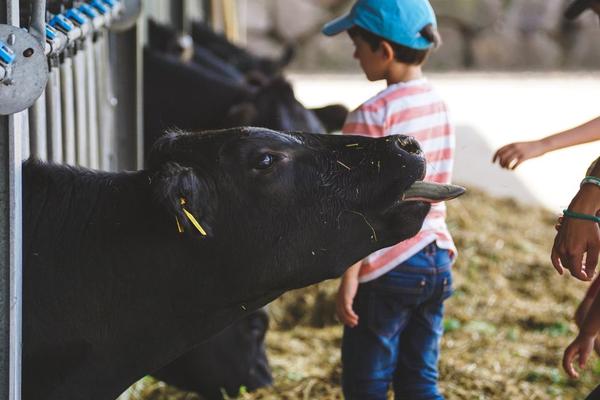
For a more immersive look at working agriculture, White Oak Pastures in Bluffton offers lodging, farm tours, workshops, a general store, and on-site dining. The multigenerational farm focuses on regenerative land management and pasture-raised livestock, giving visitors a very different view of agritourism USA than a vineyard weekend.
Some accommodations are on the farm itself, so the experience can include dirt roads, livestock nearby, and a quiet rural setting. Guided tours explain the farm’s transition from conventional livestock production toward its current regenerative model. This suits travelers who want to understand how food is produced, not simply taste the finished result.
Beltane Ranch, Sonoma Valley, California
Sonoma is famous for food and wine travel, but Beltane Ranch makes the vineyard landscape feel more intimate. The historic farm stay includes vineyards, olive orchards, heirloom gardens, chickens, sheep, honey bees, and estate wines. Its culinary offerings draw from ranch-grown fruit, vegetables, herbs, eggs, olive oil, honey, and wine.
Staying overnight changes the rhythm of a wine-country visit. Instead of driving from tasting room to tasting room, guests can experience a working estate across the day, from chef-prepared breakfast to an afternoon wine hour and seasonal food.
The Inn at Serenbe, Georgia
The Inn at Serenbe, southwest of Atlanta, blends countryside lodging with access to The Farmhouse restaurant and Serenbe Farms. The restaurant uses locally grown organic ingredients from its own garden, Serenbe Farms, and other regional producers, while menus change with the season.
This option works well for travelers who like the idea of a farm stay but also want leisure activities. Guests can pair meals with trails, horseback riding, animal encounters, or time outdoors. It shows that farm-to-table travel experiences can be relaxed weekend escapes where agriculture remains visible and meaningful.
Blackberry Farm, Tennessee
Blackberry Farm in Walland takes an Appalachian approach to luxury farm-to-table travel. Its active farmstead includes gardens, sheep, heritage pigs, beekeeping, and a larder where farm products become cheeses, jams, preserves, and other foods. The Barn restaurant uses ingredients from the property alongside products from the wider region.
The deeper appeal is seeing some of the steps between field and plate. Depending on the season and program, guests may encounter garden activities, tastings, preservation traditions, or conversations with the people behind the harvest. In August 2026, for example, the property scheduled tomato tastings, seed-saving demonstrations, and harvest sessions, showing why checking the activity calendar before booking can make a trip more specific to the season.
How to Plan a Better Farm-to-Table Getaway
Start with the agricultural experience, then build the trip around it. For wine, choose a vineyard farm stay when estate activities and tastings are available. For livestock, farm tours, and rural immersion, a working farm offers a different experience. For gardens and produce, ask about harvest timing and whether guests can join tours, tastings, or workshops.
Book the farm experience first, especially in rural areas where lodging may be limited. Then check driving distances, meal schedules, and whether a rental car is essential. On a two-night trip, avoid filling every hour. Farm stays are often more rewarding when you leave time to walk the property or linger over breakfast.
Also confirm what is included. Some properties include breakfast, tastings, or farm activities, while others price tours, workshops, or special meals separately. Raise dietary needs in advance, particularly when a chef is working with a fixed seasonal menu.
Frequently Asked Questions
What is a farm-to-table travel experience?
It is a trip that connects visitors with food production as well as dining. It may include a working farm, vineyard, ranch, orchard, farm stay, tour, tasting, workshop, harvest activity, or restaurant using ingredients grown on site or sourced closely from local producers.
What is the best season for farm-to-table tourism in the USA?
There is no single best season because harvests vary by region. Late spring through autumn offers many produce-focused activities, while vineyards, citrus regions, livestock farms, and preservation programs follow different calendars. Check the property’s harvest schedule before booking.
Are farm stays suitable for families?
Many are, but facilities vary. Some farms offer animal encounters and open space that work well for children, while luxury inns may cater more to couples. Working farms can also have livestock, machinery, uneven ground, insects, and limited amenities, so review the property’s guidance before traveling with young children.
Do you need a car for agritourism trips?
Often, yes. Many farms and vineyards sit outside town centers and have limited public transportation or ride-share coverage. A rental car can also make it easier to combine a farm stay with nearby markets, wineries, scenic drives, and small towns.
A More Meaningful Way to Taste a Destination
The appeal of farm-to-table travel is not simply fresher food. It is the chance to understand why a meal tastes the way it does in a particular place. A lavender field in New Mexico, regenerative pasture in South Georgia, a Sonoma vineyard, or an Appalachian garden gives context that a dining room alone cannot provide.
Choose the experience that matches the part of food culture you most want to explore, then give it enough time to unfold. The best farm-to-table trips leave you with more than a memorable dinner; they give you a clearer sense of the land, season, producers, and traditions behind it.