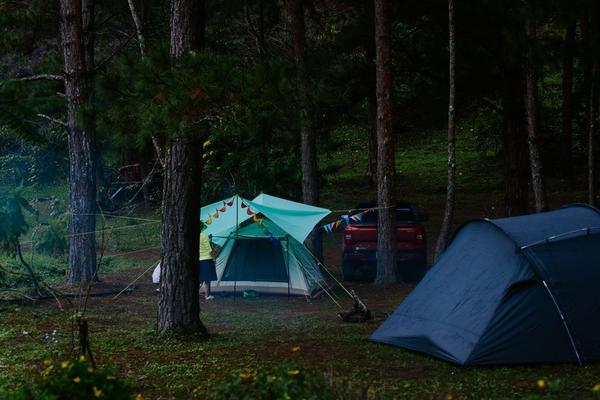
Your first camping trip should feel like an introduction to the outdoors, not a survival test. The easiest places to start are developed campgrounds where you can park close to your site, find drinking water and restrooms, reach visitor services easily, and still wake up to memorable scenery.
The best campgrounds for beginners reduce the unknowns. A reservable site, clear food-storage rules and nearby activities let you focus on learning how to pitch a tent, cook outside and stay comfortable after dark. Facilities can change, so check current park conditions before leaving home.
Blackwoods Campground, Acadia National Park, Maine
Blackwoods is one of the most approachable beginner camping spots in the Northeast. It sits on the wooded east side of Mount Desert Island, about five miles south of Bar Harbor, and most sites are within a short walk of the ocean. Paved campground roads, flush toilets and running water make the move from hotel travel to tent camping less abrupt.
Acadia’s popular areas are close by, while the seasonal Island Explorer shuttle can reduce driving. There are no showers inside the campground, so plan for that before arrival. Reservations are required in advance.
Watchman Campground, Zion National Park, Utah
Watchman combines dramatic scenery with convenient access. The campground is beside Zion’s South Entrance and close to the Zion Canyon Visitor Center, with shops and services just outside the park in Springdale. Flush toilets and potable water are available, and standard sites require reservations.
For camping for first timers, that location matters. You can set up without feeling isolated and use park transportation when it is operating. The main challenge is heat: Zion can be extremely hot in summer and shade is limited. Spring and fall are often more comfortable for a first tent trip.
Upper Pines Campground, Yosemite National Park, California
Upper Pines puts beginners in Yosemite Valley near some of the country’s most recognizable scenery. The campground has drinking water, flush toilets, food-storage lockers and access to the free valley shuttle. Grocery and food services are nearby in Yosemite Village and Curry Village.
This is one of the best easy campgrounds once you have a reservation, but getting one is the difficult part. Yosemite campsites are in very high demand, especially from spring through early fall. Follow the current reservation schedule and never arrive assuming a campsite will be available. Showers are not inside Upper Pines, although paid facilities are available elsewhere in Yosemite Valley.
Big Meadows Campground, Shenandoah National Park, Virginia
Big Meadows is a practical first campground because it is centrally located on Skyline Drive near Byrd Visitor Center, Dark Hollow Falls and the open meadow that gives the area its name. Seasonal potable water, a camp store, showers and laundry make it more forgiving than a primitive campground.
It is also a good family campground for keeping the day simple: breakfast at the site, a short hike, a visitor-center stop and an evening back at camp. Bears and deer are common, so beginners also learn proper food storage in a developed setting. In 2026, Big Meadows is reservation-only.
Elkmont Campground, Great Smoky Mountains National Park, Tennessee
Elkmont is close to Sugarlands Visitor Center and offers tent sites, flush toilets and drinking water. Each campsite has the basic developed-campground setup needed for car camping, while nearby trails and mountain scenery provide plenty to do without complicated logistics.
There are no showers or hookups at Elkmont, so it still feels like camping rather than an outdoor resort. Summers are hot and humid, and mountain weather can change quickly, so pack rain protection even when the forecast looks good. The campground closes seasonally in winter.
Moraine Park Campground, Rocky Mountain National Park, Colorado
Moraine Park suits campers who want a classic mountain setting without starting at a remote site. The campground offers reservable tent sites, potable water and seasonal flush toilets, with food-storage lockers available. Its location inside Rocky Mountain National Park gives beginners easy access to mountain scenery and trails.
Altitude requires planning. Visitors arriving from lower elevations may feel tired or dehydrated more quickly than expected. Keep the first day light, drink water and avoid scheduling a demanding hike immediately after arrival. Summer reservations are required, and nights can be cold even after a warm day.
Mather Campground, Grand Canyon National Park, Arizona
Mather Campground sits inside Grand Canyon Village on the South Rim, making it one of the most convenient national-park choices for a first trip. The developed campground normally provides flush toilets and drinking-water access, while the village has shuttle buses, a visitor center, stores and other services. Camper services, including showers and laundry, are nearby when operating.
The South Rim’s elevation means nights can be cool even when daytime sun feels strong. Water systems and fire restrictions can also change with conditions, so check park alerts shortly before traveling. Beginners can experience sunrise, rim walks and starry evenings without being far from established services.
How to Choose the Right First Campground
Do not pick a campground only because the photos look spectacular. For a first trip, prioritize the practical details that stop small problems becoming miserable ones. Look for potable water, toilets, a reservable drive-in site, a grocery option within reasonable distance and activities that do not require technical skills.
A useful first-trip rule is to camp for two nights and arrive well before sunset. That gives you daylight to find the site, pitch the tent and locate the restroom and water stations. If rain, cold or a forgotten item causes trouble, you are not committed to a week-long itinerary.
Before departure, it also helps to understand tent camping essentials, safe campground food storage and how to choose a sleeping bag for the expected temperature. Those basics solve many of the problems that surprise new campers.
Frequently Asked Questions
Should beginners choose a national park campground?
They can be excellent choices when they have developed facilities, clear reservation systems and nearby visitor services. Check the specific campground because amenities vary widely inside the same park.
Do first-time campers need a campground with showers?
No. For a two-night trip, many people are comfortable without on-site showers. If showers matter to you, confirm whether they are inside the campground, nearby, seasonal or temporarily unavailable.
How far in advance should I reserve?
Popular campgrounds can fill months ahead, while some release a portion of sites closer to arrival. Check the official rules for the exact campground as soon as your travel dates are known.
What is the easiest season for a first camping trip?
Mild spring or fall weather is often easiest, but the best season depends on elevation and region. Avoid extreme heat, freezing nights and peak storm periods until you are comfortable managing weather at a campsite.
Make the First Trip Easy on Purpose
A successful first camping trip does not need remote wilderness or complicated gear. Choose a developed campground with the services you value, reserve early, arrive in daylight and keep the schedule relaxed. Blackwoods, Watchman, Upper Pines, Big Meadows, Elkmont, Moraine Park and Mather all pair memorable scenery with enough infrastructure to help new campers learn. Once those first nights feel routine, more rustic adventures become much easier to enjoy.