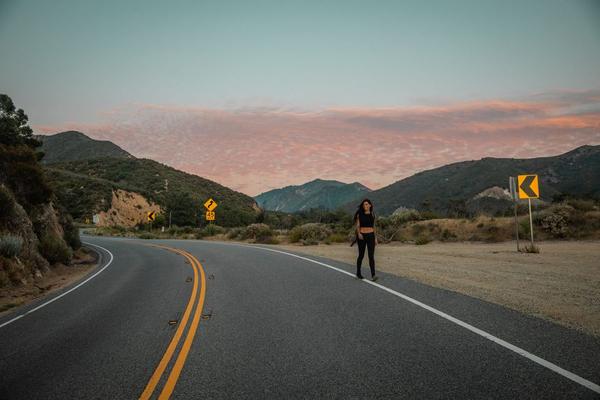
Solo travel in the United States can feel wonderfully freeing: you choose the route, change plans easily, and experience each place at your own pace. The practical risks of a city break are different from those of driving through the desert or hiking in a national park.
These solo travel safety tips for the USA focus on choices that reduce avoidable problems while preserving your independence. Prepare before departure, stay aware, keep backup options, and act early when something feels wrong.
Research Each Stop, Not Just the Destination
A state or city is too broad to label entirely safe or unsafe. Research the specific neighborhood where you will stay, how you will arrive, what the area is like after dark, and whether public transport runs when needed. Read recent accommodation reviews for comments about entrances, lighting, front-desk coverage, parking, and walking access.
Safe solo travel destinations are places where the logistics fit the traveler. A central hotel near reliable transport may be safer than a cheaper property requiring a late-night walk through an unfamiliar area. For a road trip, a busy, well-reviewed motel may be preferable to an isolated property reached after hours.
Before visiting public lands, check the official park page for closures, weather hazards, fire conditions, and mobile-service limitations. National Park Service guidance recommends leaving a trip plan and not relying entirely on a phone where reception may be poor.
Create a Shareable Itinerary With Check-In Times
Send one trusted person an itinerary containing transport details, accommodation names, planned drives, major activities, and expected check-in times.
Make the rule specific. For example: “I am starting the Canyon Overlook Trail at 9 a.m. and expect to message by noon. If you have not heard from me by 1 p.m., call me, then contact the park if I remain unreachable.” A clear deadline is more useful than saying you will check in later. This is one of the strongest solo travel precautions because it gives someone enough information to respond.
Keep Your Phone Useful in an Emergency
Start each day with a charged phone and carry a compact power bank. Save your accommodation address, bookings, insurance details, and emergency contacts for offline access. Download maps before long drives or outdoor trips.
In the United States, call 911 for an immediate police, fire, or medical emergency. Be ready to state your location and explain what happened. Text-to-911 is available in many areas but not everywhere, and official guidance recommends calling when possible and texting when you cannot call.
Keep Wireless Emergency Alerts enabled. In areas prone to hurricanes, tornadoes, wildfires, flash floods, or winter storms, check local alerts before setting out rather than relying only on a general forecast.
Use Transport With a Verification Routine
When using a taxi or ride-share service, confirm the vehicle, license plate, and driver details before entering. Ask the driver who they are collecting instead of announcing your name first. Sit in the rear seat when practical, keep belongings with you, and follow the route on your map. If the details do not match, cancel and move to a busy, well-lit place.
For rental cars, avoid leaving luggage, passports, electronics, or shopping bags visible. At gas stations and rest areas, lock the car even during short stops and choose active, well-lit locations.
Protect Your Accommodation Details
Avoid saying your room number aloud in public or letting unfamiliar people follow you through controlled entrances. If the room location feels exposed or a lock is damaged, request another room.
With vacation rentals, verify check-in instructions through the booking platform and be cautious about last-minute requests to move communication or payment elsewhere. Share the address with your trusted contact and identify the nearest exit. Traveling alone safely often depends on noticing small details before you are tired or distracted.
Stay Social Without Sharing Too Much
Meeting people can be one of the best parts of a solo trip, but you do not owe strangers your full itinerary, hotel name, or the fact that nobody expects you back. Use a general answer such as “I am meeting friends later” if a conversation becomes intrusive.
Watch your drink being prepared, keep it in sight, and avoid becoming so impaired that you cannot navigate or make decisions. If someone ignores a boundary, move toward staff, security, families, or another populated area. You do not need proof that a situation is dangerous before leaving it.
Adapt Your Plan for Outdoor Travel
Solo trip safety changes sharply outside cities. Check trail difficulty, daylight, temperature, altitude, and water availability. Carry navigation, water, food, suitable layers, a light, and basic first-aid supplies even on a short outing. Stay on marked routes and turn back early if conditions worsen.
Mobile reception may be limited or absent in parks and rural areas. Use airplane mode when searching for signal would drain the battery, and consider a satellite communicator or personal locator beacon for remote travel.
Related guides on solo road trip planning, first-time solo travel, and national park travel safety are natural next reads when building a longer itinerary.
Trust Discomfort and Act Early
Notice exits, stay attentive in transit hubs, and avoid walking while absorbed in your phone. If a street, venue, driver, or person makes you uncomfortable, change direction, enter an open business, contact staff, or arrange another ride. Early action is easier than leaving after a situation escalates.
Carry a backup payment method separately from your main wallet. This can keep a lost wallet from becoming a complete travel shutdown.
Frequently Asked Questions
Is solo travel in the USA safe?
Many people travel alone successfully throughout the USA. Safety varies by neighborhood, activity, weather, transport choice, and time of day, so research the specific stops on your itinerary rather than relying on a broad label for an entire city or state.
What emergency number should a solo traveler call?
Call 911 for an immediate police, fire, or medical emergency. Give the operator your location first, especially when calling from an unfamiliar place. Texting 911 may be possible locally, but calling is preferred when you can.
Should I share my live location while traveling alone?
It can be useful during drives, hikes, dates, or late-night journeys, but it is not a substitute for a clear itinerary and check-in deadline. Share location data only with someone you trust.
What is the most important solo travel precaution?
A destination-specific plan shared with a trusted person offers strong protection. Combine it with charged communications, verified transport, secure accommodation, and the willingness to leave uncomfortable situations.
Travel Independently, Not Unprepared
Confident solo travel is built through preparation rather than fear. Research each stop, create realistic check-ins, protect your accommodation information, verify transport, and adjust your equipment for remote areas. These habits leave more space for the enjoyable parts of the journey because you already know what to do if plans change. The goal is not to eliminate every risk; it is to notice problems early, preserve your options, and remain in control.